

Backflow Testing in South Bend, IN
Protecting Your Home’s Water With Professional Backflow Testing
If you have been told you need backflow testing in South Bend or you received a notice about your backflow device, it can be confusing to know what to do next. Backflow occurs when water in your plumbing system flows in the wrong direction, allowing contaminated water to enter your clean drinking water lines. Even a minor issue with a hose bib, irrigation system, or boiler connection can pose a significant risk to your home and the public water supply.
At Great Lakes Heating & Air Conditioning, we strive to make this process simple and straightforward for homeowners. We have been serving South Bend and the wider Michiana community since 1957 as a family-owned and operated company. Our factory-trained technicians handle plumbing, heating, cooling, water heaters, and electrical work on a daily basis, and we apply the same level of care to backflow inspection and prevention in your home.
When you reach out to our team, you get clear explanations in everyday language, not plumbing jargon. Our goal is to help you understand what your backflow device does, whether it is working correctly, and what steps will help keep your water safe and your home in line with local expectations.
Protect your local drinking water and satisfy municipal safety requirements with our comprehensive annual certification service. Contact us at (574) 498-7556 or fill out our online form to schedule your professional backflow test today.
Why Homeowners Choose Great Lakes for Backflow Prevention
Choosing the right company for something as important as your drinking water starts with trust. Since 1957, our family has operated Great Lakes Heating & Air Conditioning here in the South Bend area, serving generations of homeowners. That kind of history demonstrates that we intend to be a long-term presence and that we take our reputation in this community seriously. When we recommend a backflow solution, it is because we believe it is the right step for your home, not because we are focused on a quick sale.
Our technicians are factory trained, which means they receive structured training on complex mechanical and plumbing systems. For you, that translates into careful testing and backflow prevention work that follows accepted procedures. We pair that technical skill with a neighborly approach. We take the time to explain what we are checking, what we have found, and what your options are if something requires attention.
How Backflow Inspection Works in Your Home
Knowing what to expect when a technician arrives helps remove a lot of stress. When our team visits your home for a backflow inspection, we begin by locating your backflow prevention assembly and any other key connection points that may impact your water supply. In many homes, these devices are near the main water line, irrigation connection, or mechanical equipment such as boilers or certain types of water heaters.
Our technician will visually check the device and surrounding piping for signs of damage, wear, or improper installation. Once this is complete, we use testing equipment designed for backflow inspection to measure how the device responds under specific pressure conditions. The goal is to confirm that the internal components are opening and closing correctly so that water cannot flow backward into your clean water lines.
Most residential backflow inspections take a relatively short amount of time, although the exact timing depends on the number of devices that need to be checked and their accessibility. Before we begin, we would like to inform you of what we will be doing and whether you may experience brief water interruptions during testing. When the inspection is complete, we review the results with you, explain them in plain language, and discuss any next steps if a device did not perform as expected.
Backflow Prevention Options to Keep Your Water Safe
How Backflow Prevention Protects Your Home
Backflow prevention is all about keeping water that may contain fertilizers, cleaning chemicals, or other contaminants out of your drinking water. A backflow prevention assembly is a mechanical device that allows water to flow into your home while blocking it from flowing backward into the public water system. The specific type of device your home needs depends on how your plumbing is set up and what is connected to it.
Where Backflow Prevention Is Especially Important
Common situations that call for strong backflow prevention include lawn irrigation systems, certain types of boilers, and other plumbing configurations that create cross-connections. These are points where drinking water and non-drinking water can mix if pressure changes occur. Our technicians assess the arrangement of your system and discuss with you where added protection would be beneficial for your home and level of risk.
Ongoing Testing & Maintenance
Most backflow prevention devices require regular testing and periodic maintenance to function properly. Local expectations often require testing on a set schedule, especially when a home connects to the public water supply in a way that could impact more than one property. We help you understand these general guidelines, and our team can work with you to plan future inspections, ensuring you stay ahead of potential problems rather than reacting to them after the fact.
What To Do If You Receive a Backflow Notice
Understand What the Notice Is Telling You
A notice about your backflow device can feel urgent, especially if it mentions deadlines or possible service interruption. The first step is to read through the notice and note any dates it lists for completing testing or providing documentation. These dates are important because they often reflect when you are expected to show that your system has been checked.
Take Practical Steps Right Away
Here are helpful steps to take after receiving a notice:
- Check the due date. Look for any deadlines listed for completing your backflow inspection or submitting results.
- Gather information. Keep the notice handy and note the location of the backflow device if you know it.
- Contact our team. Call us so we can review the notice with you and discuss scheduling.
- Plan your appointment. We work to schedule testing in a way that respects your timeframe, and in many situations, we can offer same-day appointments when our schedule allows.
During your initial call or virtual consultation, we can address basic questions and inform you about what to expect from the visit. When our technician comes to complete the test, they will carry out the inspection and then explain the results.
Next Steps After Testing
If the backflow device passes, we can guide you on what documentation is typically required and how to obtain it from us. If the device does not pass, we talk through the condition of the equipment, outline options for repair or replacement, and provide a clear proposal before any additional work begins. Our goal is to provide you with straightforward information, enabling you to make informed decisions without last-minute surprises.
Frequently Asked Questions
Do I Really Need Backflow Testing for My Home?
In many cases, yes, backflow testing is an important part of protecting both your home and the public water system. If your plumbing includes devices such as irrigation systems, certain boilers, or other cross-connections, a backflow prevention assembly is often required, and regular testing is commonly expected. Even when you are not required to test by a notice, confirming that your device is working properly gives you peace of mind about the safety of your drinking water.
Our team can review your situation, look at any notices you have received, and help you understand how testing applies to your specific plumbing layout. We focus on explaining why a test is recommended and what it will reveal, rather than simply stating that it is necessary. This way, you can see how testing fits into the overall safety of your home’s water supply.
How Often Should My Backflow Preventer Be Inspected?
Many residential backflow preventers are inspected on a regular schedule, typically once a year, although the exact interval varies depending on local regulations and the type of device. Some homes may require more frequent checks if the risk to the water supply is higher due to the system's configuration. Notices from your water provider or local authority typically specify the frequency at which testing is expected to occur.
When you work with Great Lakes Heating & Air Conditioning, we review the general guidelines that apply to homes like yours in this area and talk through a reasonable testing routine. Our goal is to help you avoid last-minute rushes by planning ahead and reminding you when it is time to schedule your next visit. If you are unsure when your device was last checked, we can begin with an initial inspection and then create a schedule from there.
What Happens During a Backflow Inspection Visit?
During a backflow inspection visit, our technician locates your backflow prevention device, checks its condition, and then performs a series of tests using specialized equipment. The testing process looks at how the internal components respond to changes in pressure to confirm that water cannot flow backward into clean lines. Depending on your plumbing layout, we may also examine related piping and nearby fixtures to look for any other potential cross-connections.
We explain what we are doing before we begin, including any potential brief water interruptions you may experience. Most visits are completed within a short window, although the exact time varies depending on accessibility and the number of devices that need to be inspected. At the end of the visit, we review the results with you, address any questions you may have, and outline any recommended next steps so you know exactly where things stand.
What If My Backflow Test Fails?
If a backflow test reveals that your device is not functioning correctly, it indicates that the assembly is not providing the required level of protection. This could be due to worn internal parts, damage, or installation issues. A failed test does not automatically require a full replacement, but it does indicate that repair or replacement should be considered to restore proper protection.
When this happens, our technician will explain what part of the test failed and what that means in practical terms. We then discuss your options, which may include repair, replacement, or related plumbing adjustments, depending on the condition of the system. Before any additional work begins, we provide a clear proposal that allows you to review the scope and cost, and decide how you would like to proceed. Our approach is to present straightforward information and help you choose a solution that supports long-term safety.
Schedule Backflow Testing With Great Lakes Heating & Air Conditioning
When you are ready to schedule backflow testing in South Bend, homeowners can count on Great Lakes Heating & Air Conditioning to help. Our family-owned team has been serving this community since 1957, and we bring that same commitment to quality and integrity to every backflow inspection and prevention visit. You receive clear communication, factory-trained technicians, and flexible financing options tailored to your home and timeline.
Avoid costly service interruptions and city fines by letting our experts verify the integrity of your prevention devices. Contact us at (574) 498-7556 or fill out our online form to book your fast and reliable inspection.

Serving Michiana With Traditional Values
-
Honesty & Honor Code Ensures Safe & Worry-Free Environment
-
Free Estimates, Upfront Pricing & Deals
-
24/7 Emergency Availability for Your Convenience
-
Factory-Trained NATE Certified Techs
-
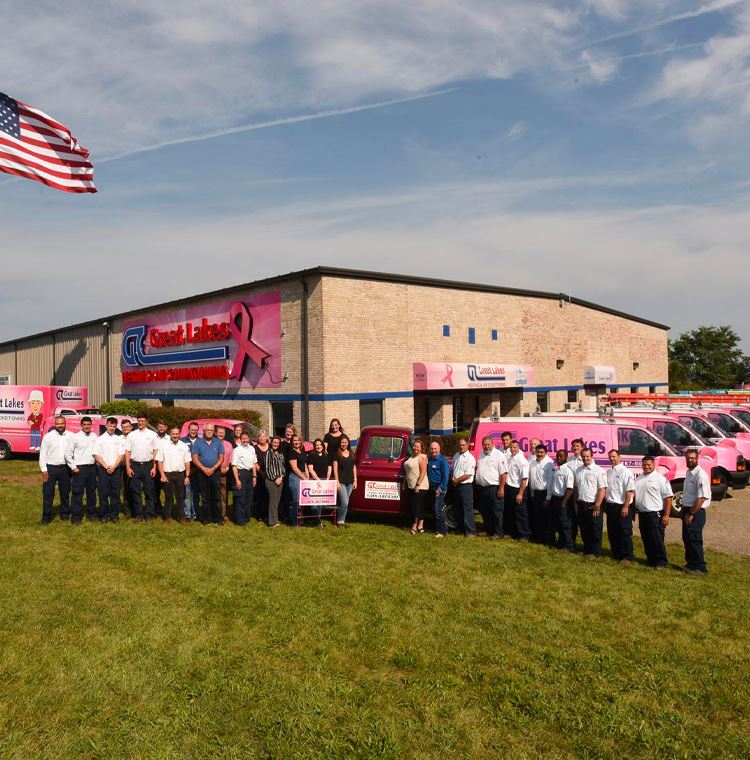
Family Owned and Locally Operated Since 1957
Tips From Our Expert Team
-
How much is a new furnace or Air Conditioner?Every home is different and our systems are custom designed to match your home. Sounds expensive, right? Well with our years of experience and efficiency combined with our massive buying power we are able to provide you with a true custom system at a cookie cutter price. Is a new system cheap? Not when compared to say a blanket to keep warm but for what we provide we believe we are not only the best but also the cheapest in town! You will find our customers agree. Check out our reviews here.
-
What sets you apart and why should we choose you over a “comparable” competitor?While there are many reasons you should choose Great Lakes, we believe the best way to sum that up is with an honest challenge- Call our office and see if you can get the home phone number for our owner. Then call our competitors and do the same. You will find our entire team from the owner down are here to serve you and are dedicated to ensure your happiness!
-
We are having trouble getting cool air upstairs in our two story home, what can I do to make the upstairs more comfortable?A comfortable main floor and a warm second floor is a common complaint with central air conditioning systems. This temperature variation is caused by the fact that cool air is heavy. Heavy air requires more effort to move, especially upwards. Your furnace fan has to work much harder to get the air up two stories. Additionally, cool air, unlike warm air, tends to fall, so that once you actually manage to get the air upstairs, it will naturally fall back to the first floor. Don’t despair, there are some things that you can do. Make sure your furnace fan is on the highest possible setting. Most furnaces installed today will have a multi-speed, direct drive fan motor. Have your service contractor check to make sure that the highest speed is being used for air conditioning. If your fan motor has belts and pulleys, check with your contractor about installing a larger pulley. Adjust the balancing on your ductwork to force as much cool air upstairs as possible. If your ductwork is accessible from your basement, and has dampers installed in each of the supply air runs, make sure the dampers for the upper floor are fully open. You can also close any dampers for rooms on the first floor that do not get much use, or are very small. Some examples may be a powder room, formal living or dining room. You should keep the dampers fully open for the kitchen and the main living or family area. If the ductwork is not accessible, or doesn’t have any dampers, don’t despair. You can balance the air flow by opening and closing the dampers in the supply air registers. If you cannot get a register closed, we have been told that covering the register with a telephone book works well. Don’t forget to re-balance the ductwork system when you switch over to heating. During the heating system you want most of the warm air delivered to the first floor, it will rise on its own to the second floor. Use fans to help move cooler air. Placing a large fan at the top of the stairway can help to draw the cooler air up. A ceiling fan installed on the second floor can also be a big improvement. Check the return air grills. Make sure they are clean. Consider installing “High Wall” return air grills on the second floor. High wall return air grills are installed near the ceiling, not near the floor. This enables the furnace to draw the warmest air from the top of the house back into the system. Your service contractor can give you more information and let you know if it is possible to install high wall grills on your system.


